

- Featured
- Most relevant
- Best selling
- Alphabetically, A-Z
- Alphabetically, Z-A
- Price, low to high
- Price, high to low
- Date, old to new
- Date, new to old
Aceite Oleoestepa
Oleoestepa is a second-tier cooperative specializing in the production and marketing of extra virgin olive oil, based in Estepa, Seville. It was founded in 1986, when 14 olive oil cooperatives decided to pool their resources and expertise to improve the production, quality control, and joint marketing of their oils. In 2026, the project will mark 40 years of history.






Oleoestepa
Oleoestepa is a second-tier cooperative specializing in the production and marketing of extra virgin olive oil, based in Estepa, Seville. It was founded in 1986, when 14 olive oil cooperatives decided to combine their resources and experience to improve the production, quality control, and joint marketing of their oils. In 2026, the project marks 40 years of operation.
Over the years, that initial union has become one of the largest EVOO producing organizations in the region. Oleoestepa currently integrates 19 associated mills and more than 7,000 olive-growing families, distributed mainly between the provinces of Seville, Cordoba, and Malaga. Together, they manage around 60,000 hectares of olive groves, which gives an idea of the economic and social importance the project has for numerous rural municipalities in the area.
A fundamental element of its evolution has been the commitment to controlling quality collectively. In 1995, it inaugurated new facilities that incorporated an industrial plant, a laboratory, and a tasting panel; in 2001, it began Integrated Production certification and subsequently incorporated environmental management, food safety, and organic production systems.
Oleoestepa, therefore, does not operate as a single farm or a single mill. Its model is based on the collaboration between thousands of farmers and different local cooperatives, while the organization centralizes a large part of the selection, control, packaging, and marketing processes. This allows it to maintain the cooperative origin of the oil while simultaneously working with homogeneous quality criteria.
The creation of the Estepa Protected Designation of Origin further reinforced this link with the territory. A large part of Oleoestepa's EVOOs are protected by this designation, making the name Estepa one of the cooperative's main elements of identity.

Hojiblanca and Arbequina: the star varieties of Oleoestepa
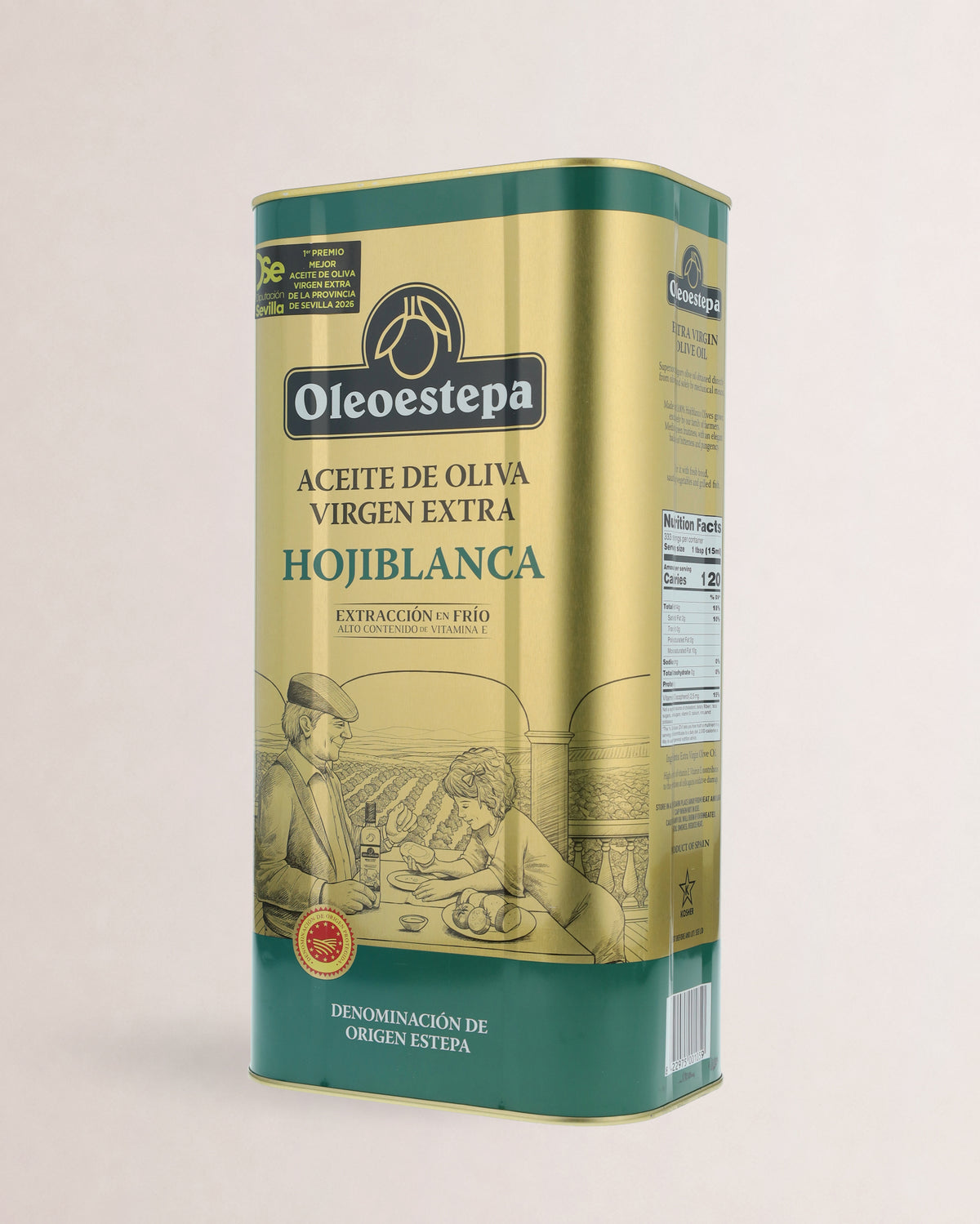
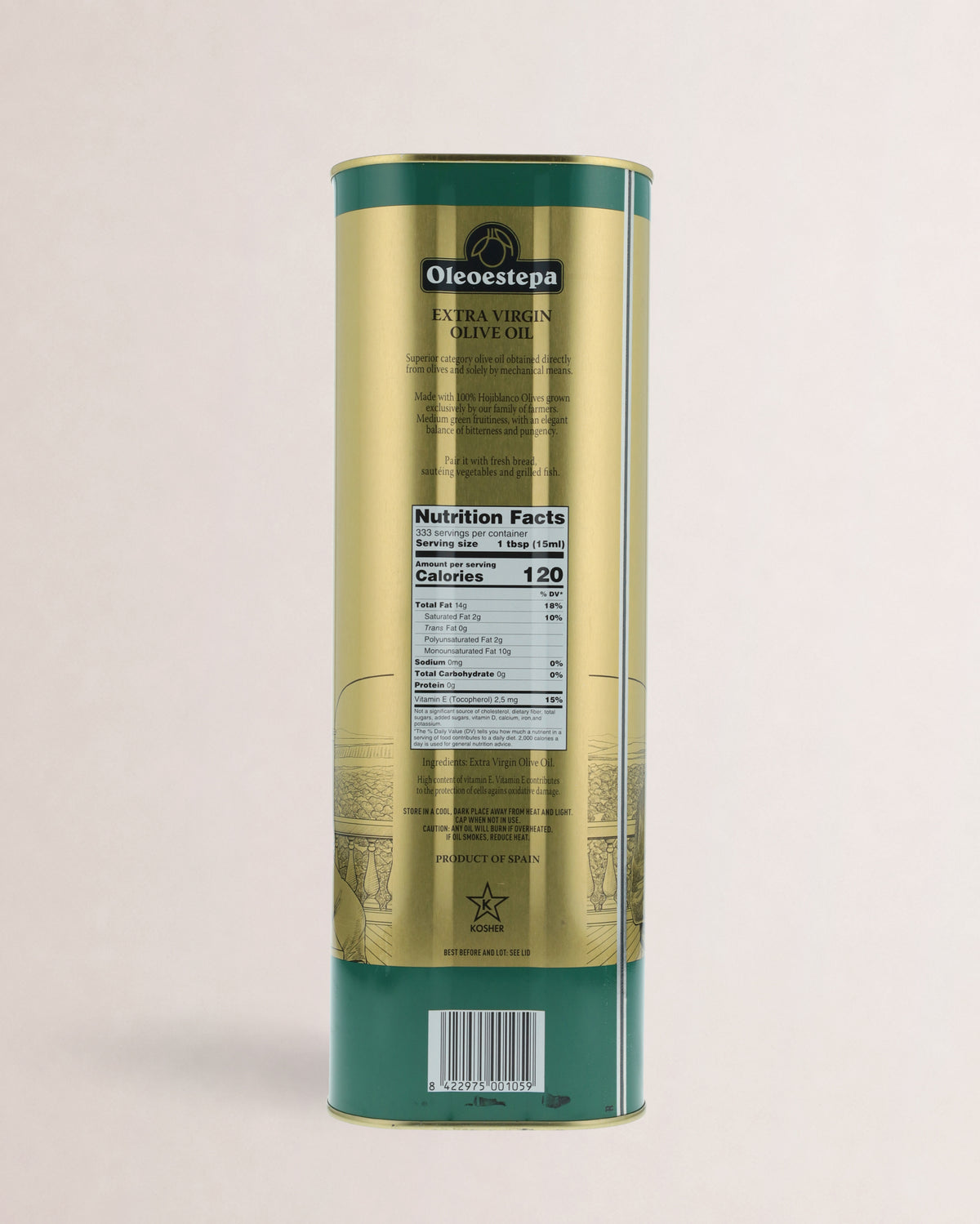
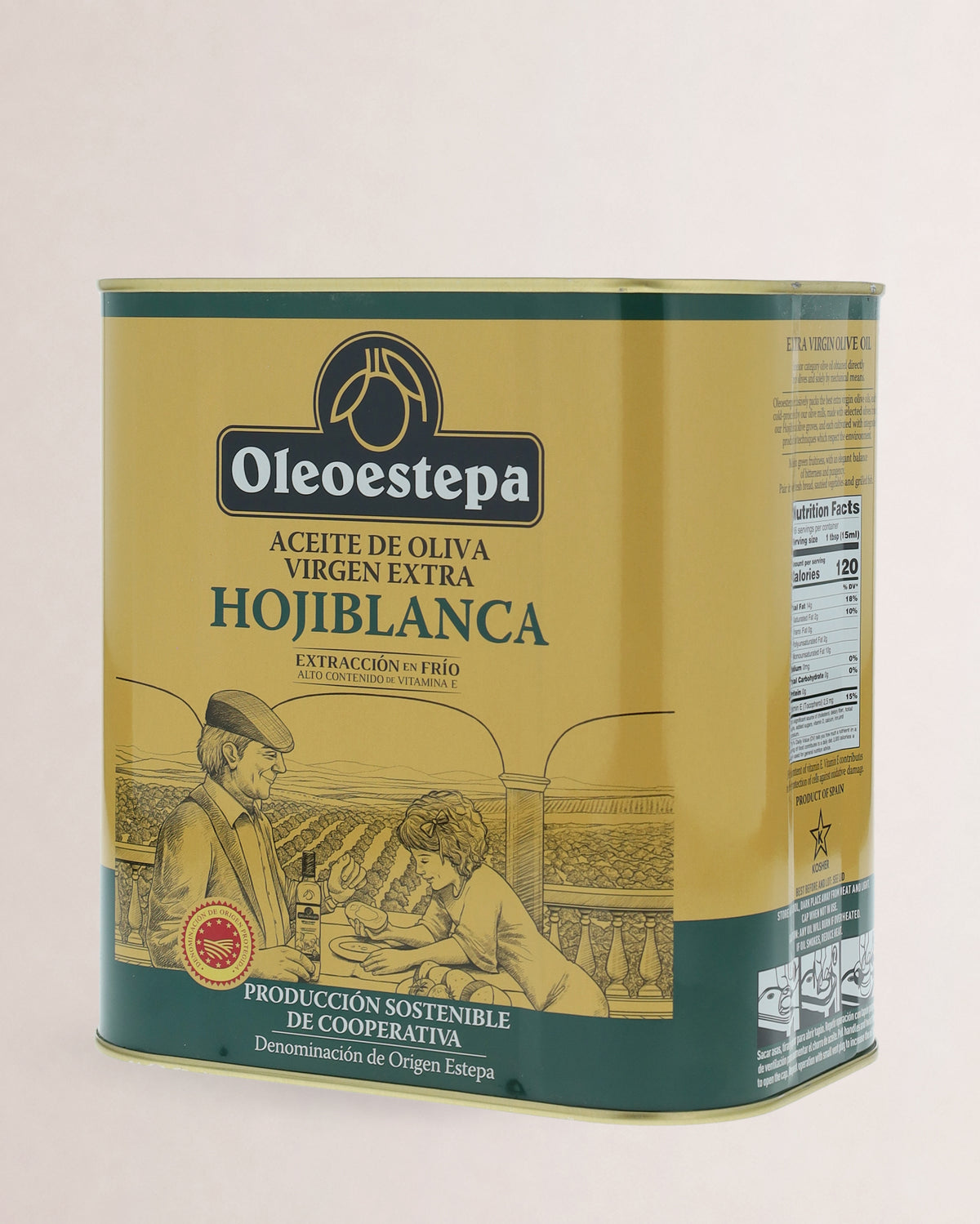
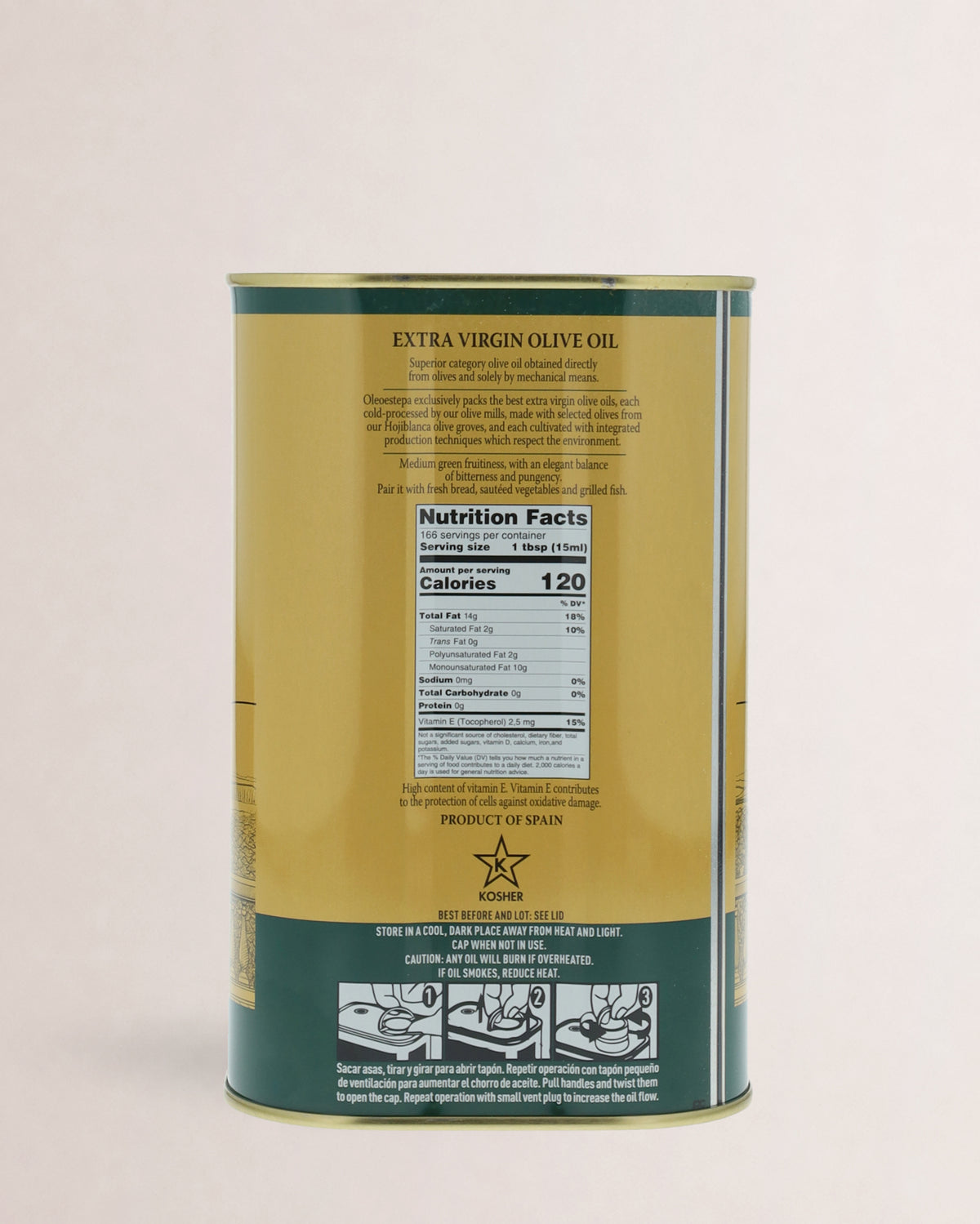
Hojiblanca is the variety most closely linked to the Oleoestepa territory and one of the stars of its oils. It is perfectly adapted to the conditions of the Estepa region and allows for the production of EVOO with a distinctively green character, with aromas reminiscent of olive leaf, apple, and artichoke, accompanied by a balanced bitterness and pungency.
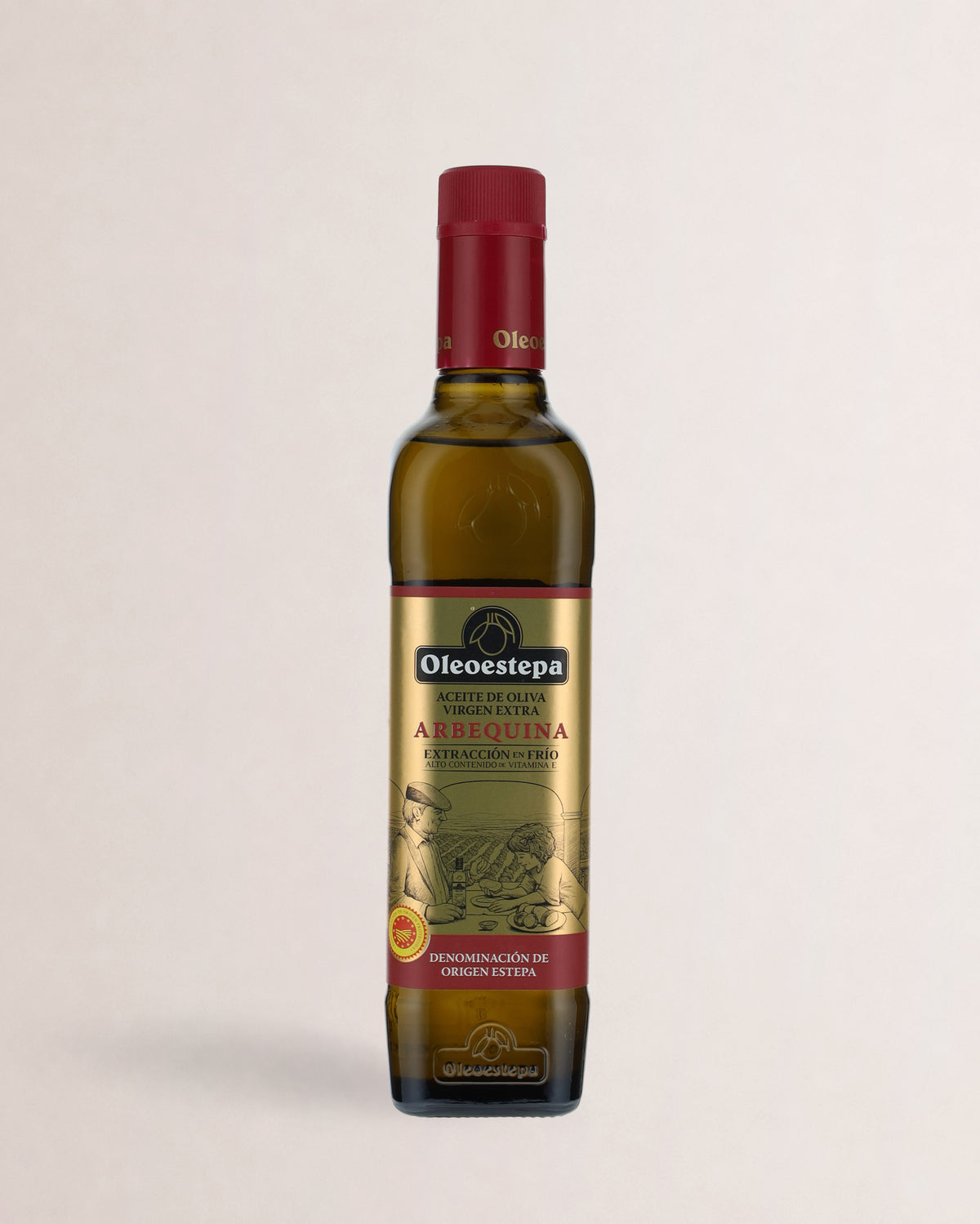
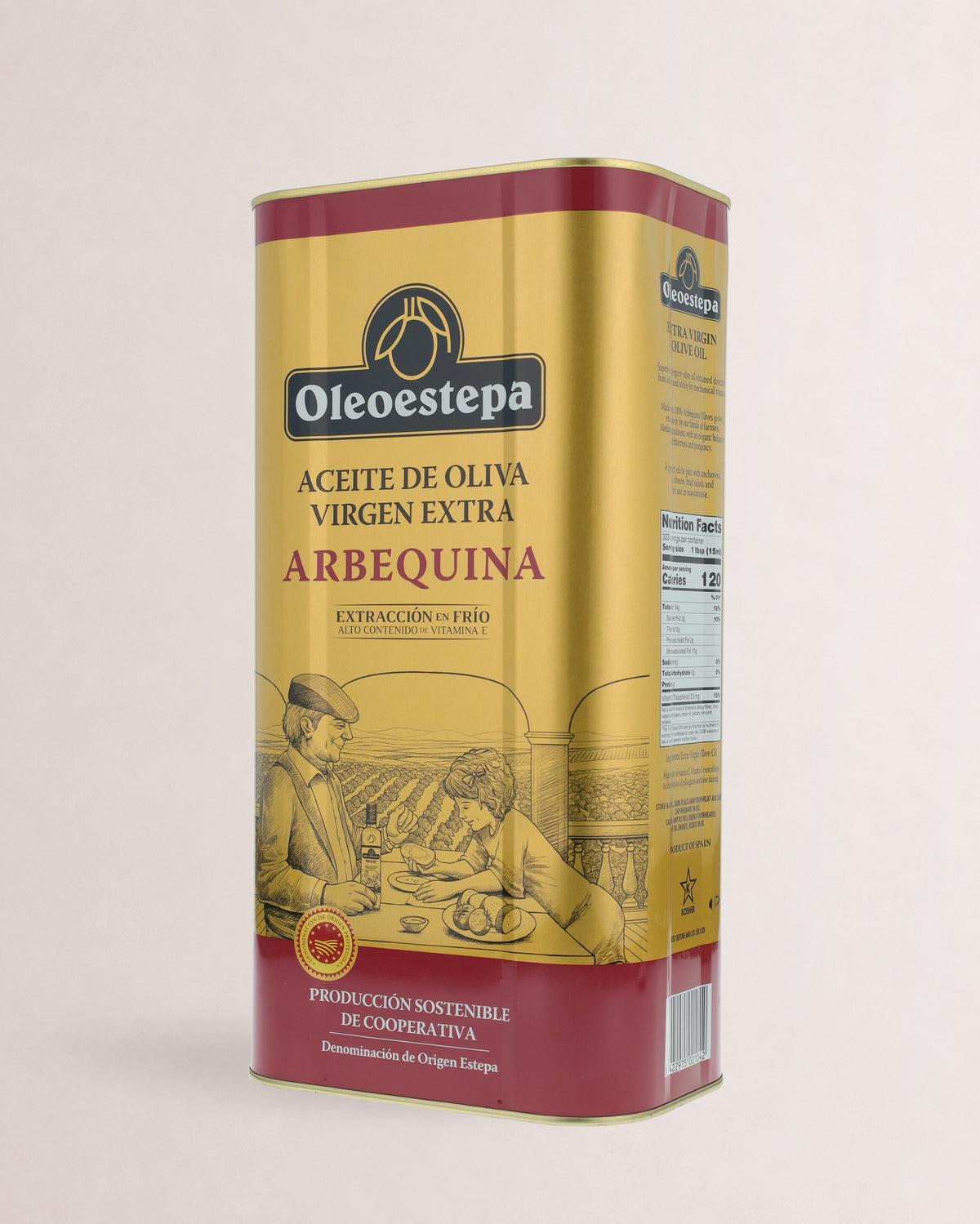
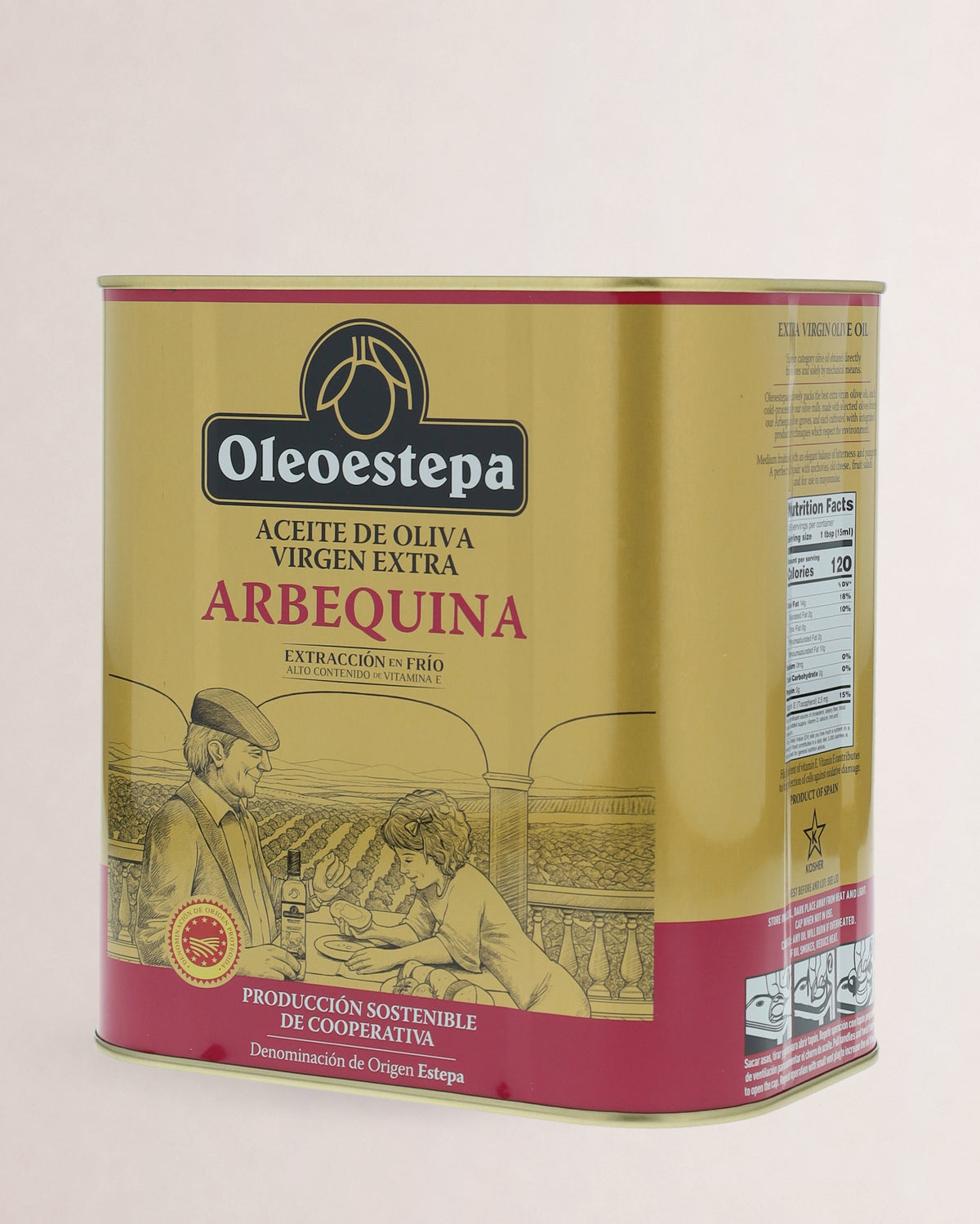
Alongside it, Oleoestepa also works prominently with Arbequina. Its monovarietal is made from early-harvest olives and presents a more fluid and delicate profile, with notes of green almond, apple, and fruit, and a generally more moderate intensity of bitterness and pungency.
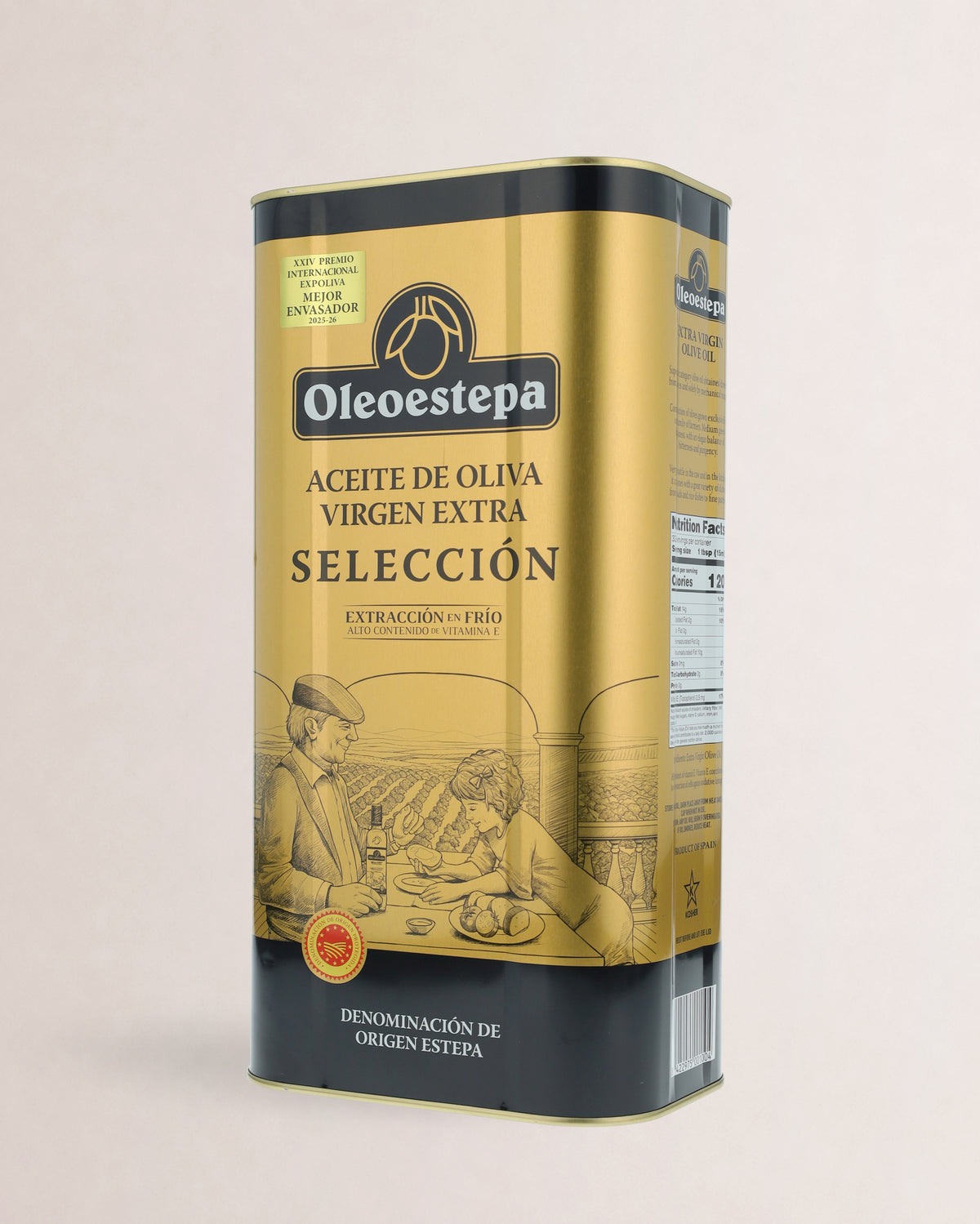
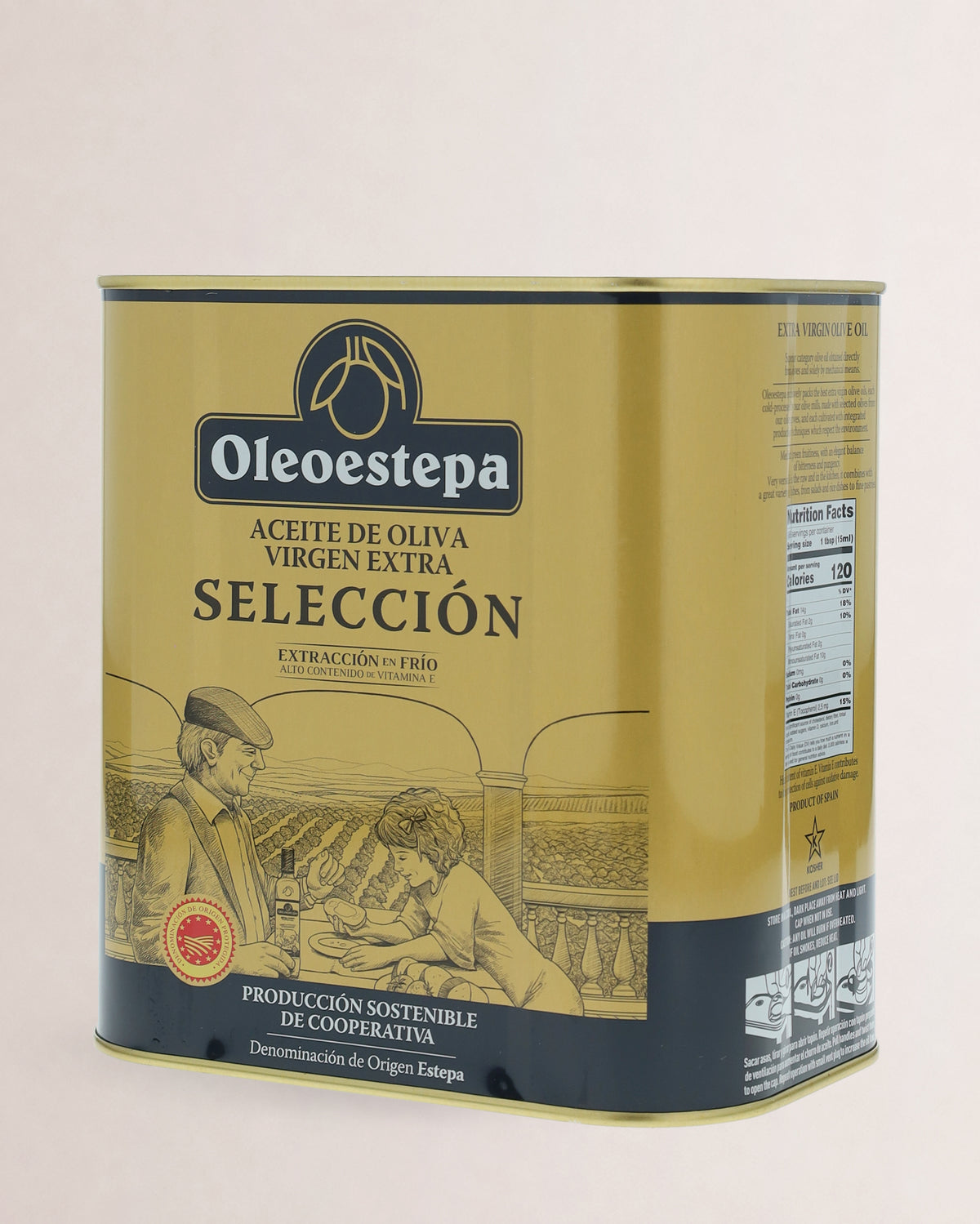
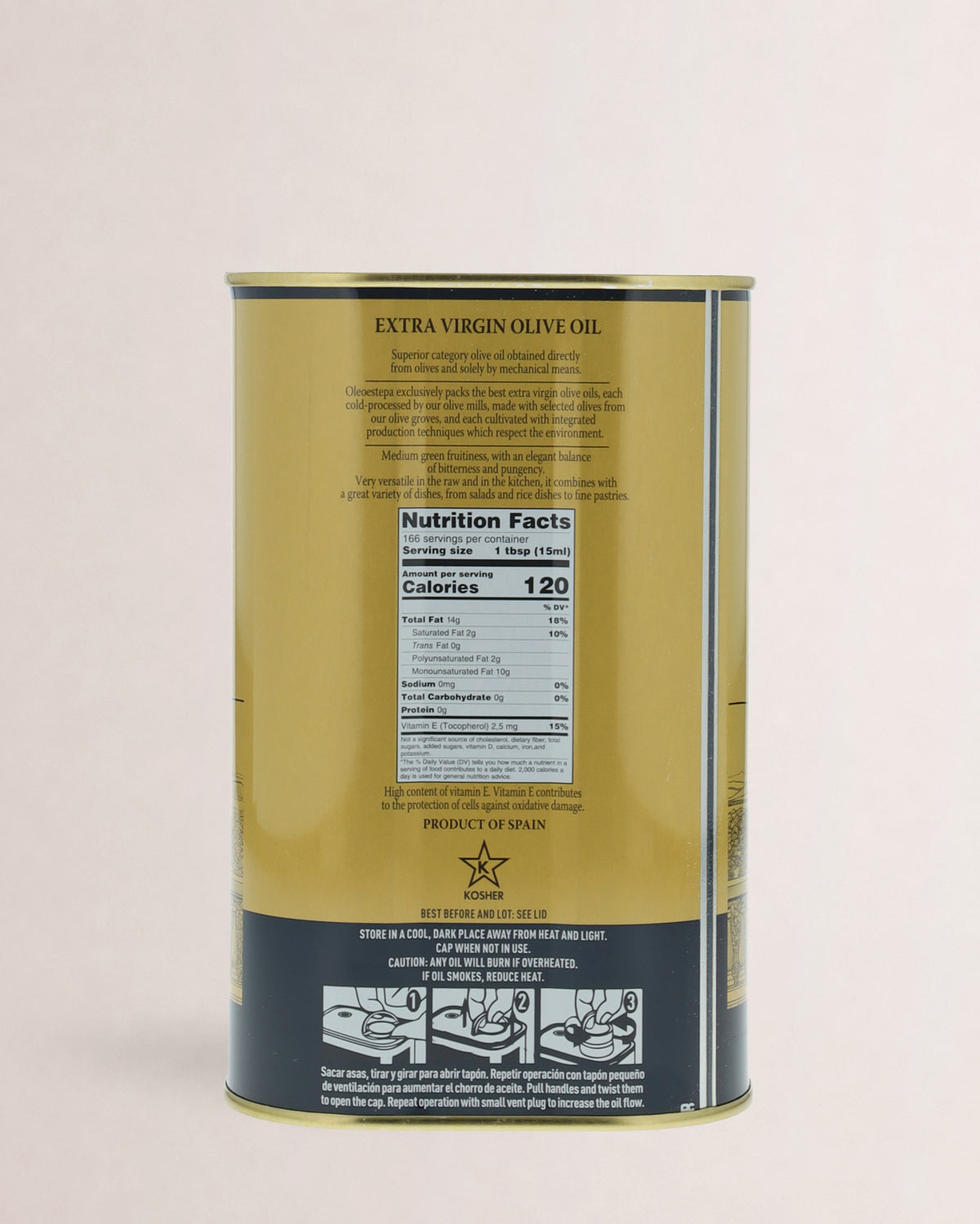
In addition to the monovarietals, the blend holds an important place in the range. Oleoestepa Selección combines varieties traditionally grown in the region, seeking to leverage the complementary characteristics of each to offer a balanced oil that represents the olive-growing profile of the territory.
Quality begins with the selection of healthy, early-harvested olives. The associated mills have the capacity to quickly receive and process large quantities of fruit, so that the olives can be processed just a few hours after leaving the tree. Reducing this interval is essential to limit fermentation and preserve the freshness of the raw material.
Extraction is carried out cold and using mechanical procedures, with computerized systems that allow for the control of the different stages of the process. Subsequently, the oils are analyzed and selected before commercialization. Oleoestepa also has its own laboratory and tasting panel, essential tools for working with production from numerous mills and maintaining common quality criteria.
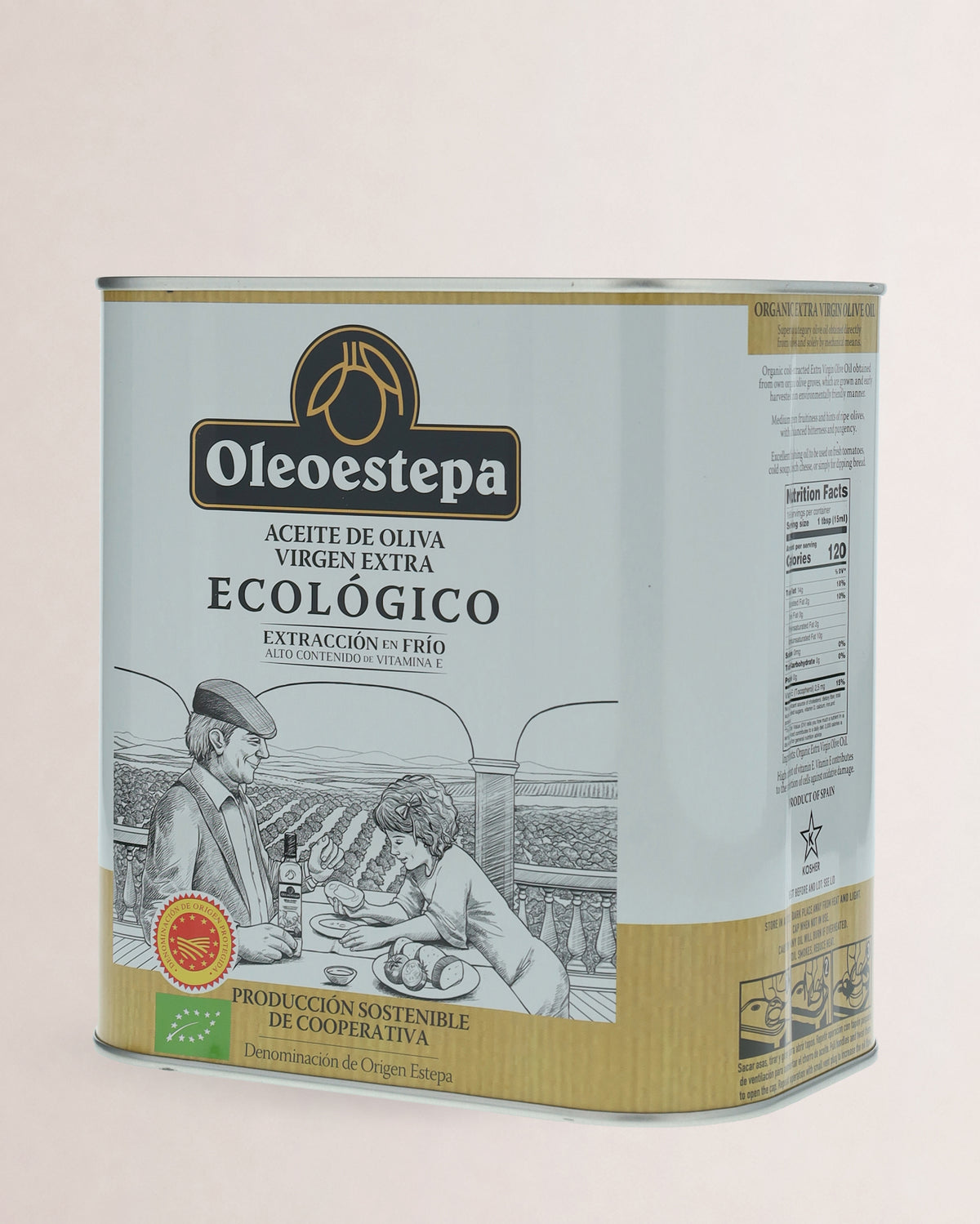
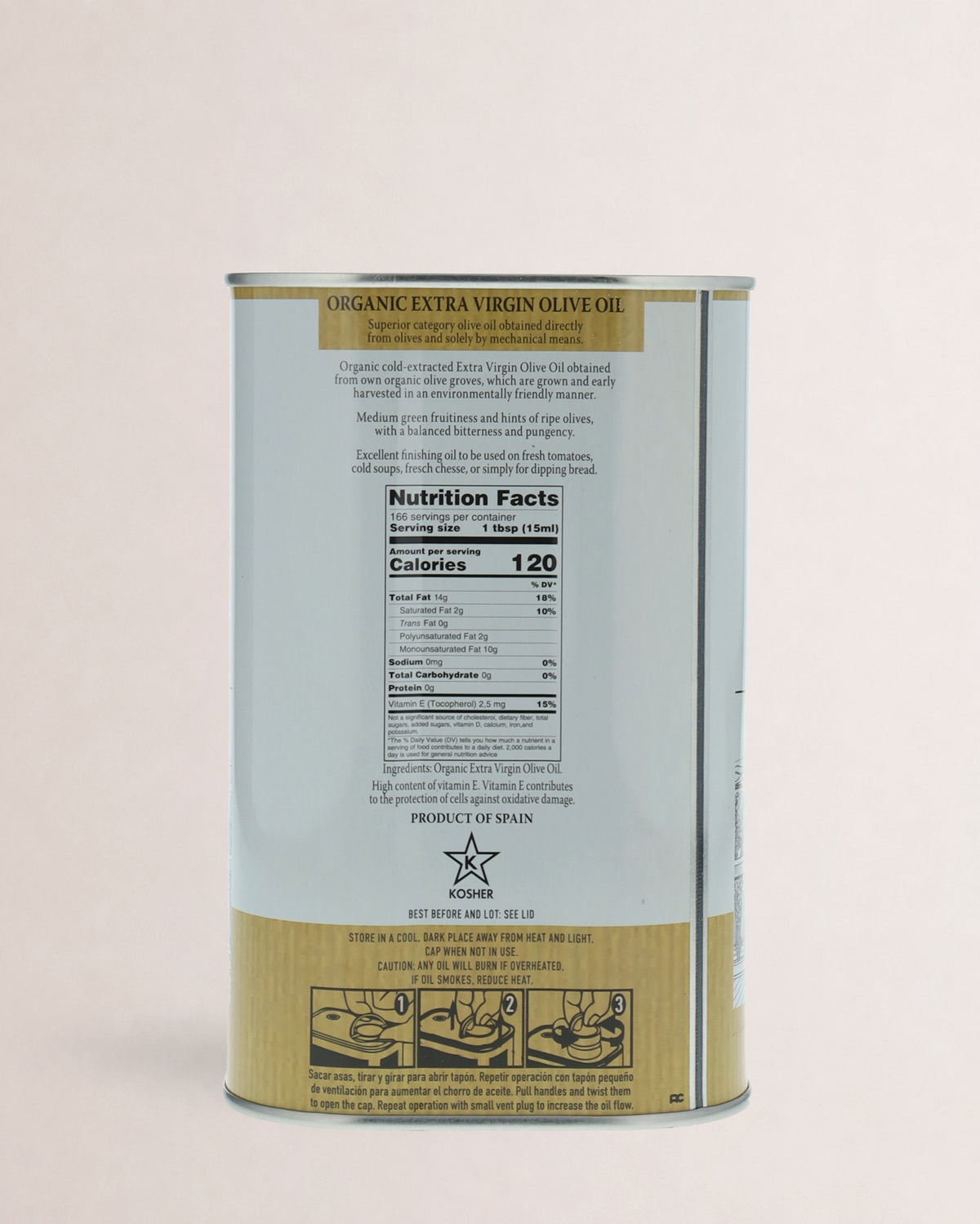
Integrated Production and organic farming coexist within this philosophy. Oleoestepa began its organic production certification in 2010 and also markets organic references, while a large part of its olive groves are managed under Integrated Production systems designed to reconcile productivity, quality, and sustainability.

60,000 hectares and millions of olive trees in the Estepa region
Oleoestepa's true heritage is spread across an extensive olive-growing territory centered in the Estepa region, although its associated cooperatives also extend to nearby areas of Seville, Cordoba, and Malaga. Altogether, its farmers manage around 60,000 hectares of olive groves, forming one of the largest continuous landscapes linked to olive oil production in Andalusia.
It is not a single large operation, but thousands of farms belonging to olive-growing families. Each farmer works their own plots and delivers the olives to one of the associated mills, creating a model in which Oleoestepa's scale comes precisely from the sum of numerous family farms. Currently, the organization brings together an ecosystem made up of millions of olive trees.
The Hojiblanca variety dominates much of this landscape and constitutes one of the region's main agricultural hallmarks. Its historical adaptation to the territory explains its importance both in the olive groves and in the sensory profile of the oils produced under the Estepa PDO. The Arbequina and other varieties traditionally grown in the area help complete this diversity.
Sustainable management is another pillar of the project. The farms work with Integrated Production and organic production systems, seeking to rationalize the use of resources and maintain a balance between agricultural activity and environmental conservation. The enormous area managed makes these practices particularly relevant, as their application extends to tens of thousands of hectares.
The territorial structure of the 19 mills also allows farmers to have processing centers relatively close to their olive groves. This distribution makes it easy for freshly harvested olives to reach the facilities quickly and begin their transformation while they are still fresh, healthy, and clean.
The territorial structure of the 19 mills also allows farmers to have processing centers relatively close to their olive groves. This distribution makes it easy for freshly harvested olives to reach the facilities quickly and begin their transformation while they are still fresh, healthy, and clean.