

Blend
- Featured
- Most relevant
- Best selling
- Alphabetically, A-Z
- Alphabetically, Z-A
- Price, low to high
- Price, high to low
- Date, old to new
- Date, new to old
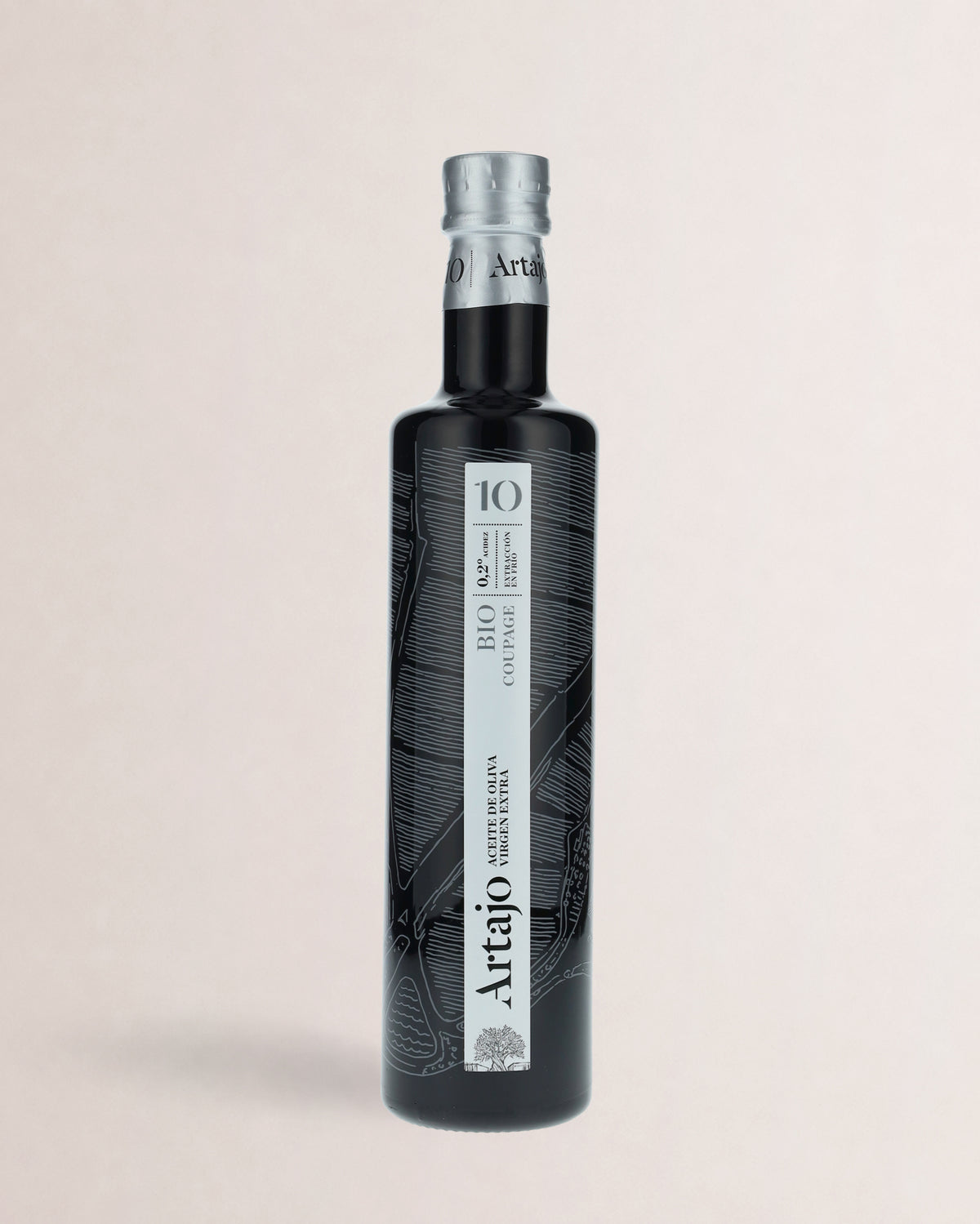
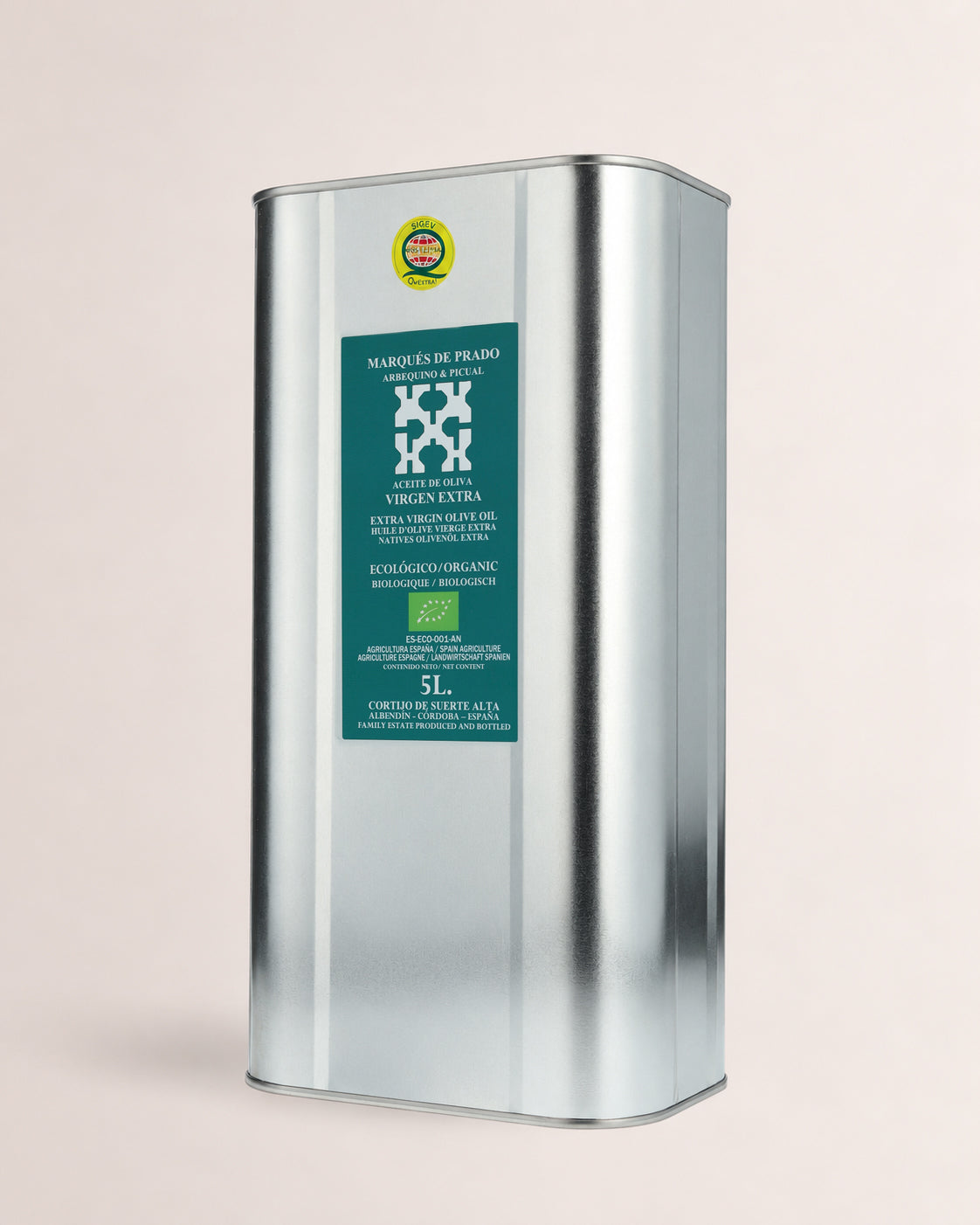



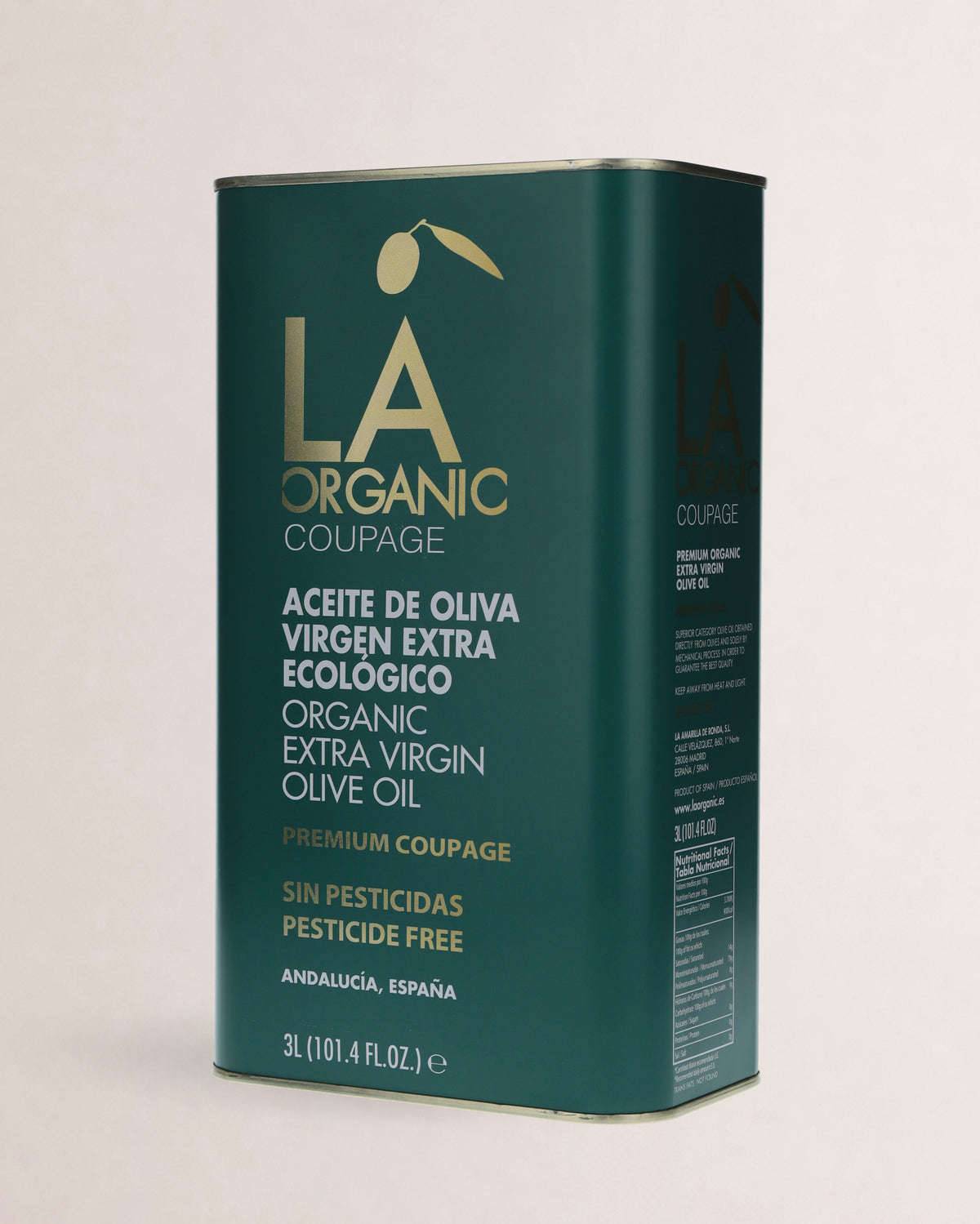
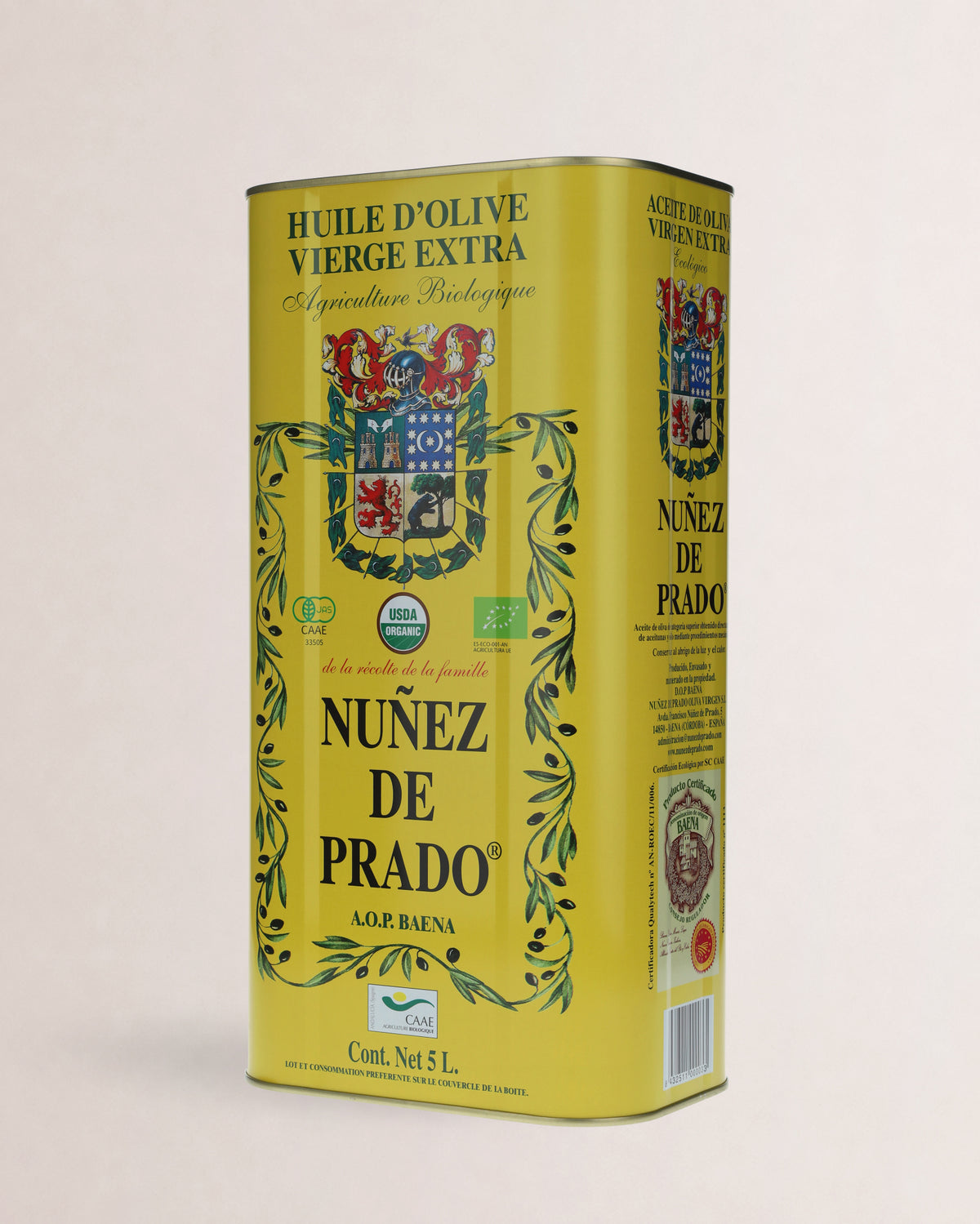


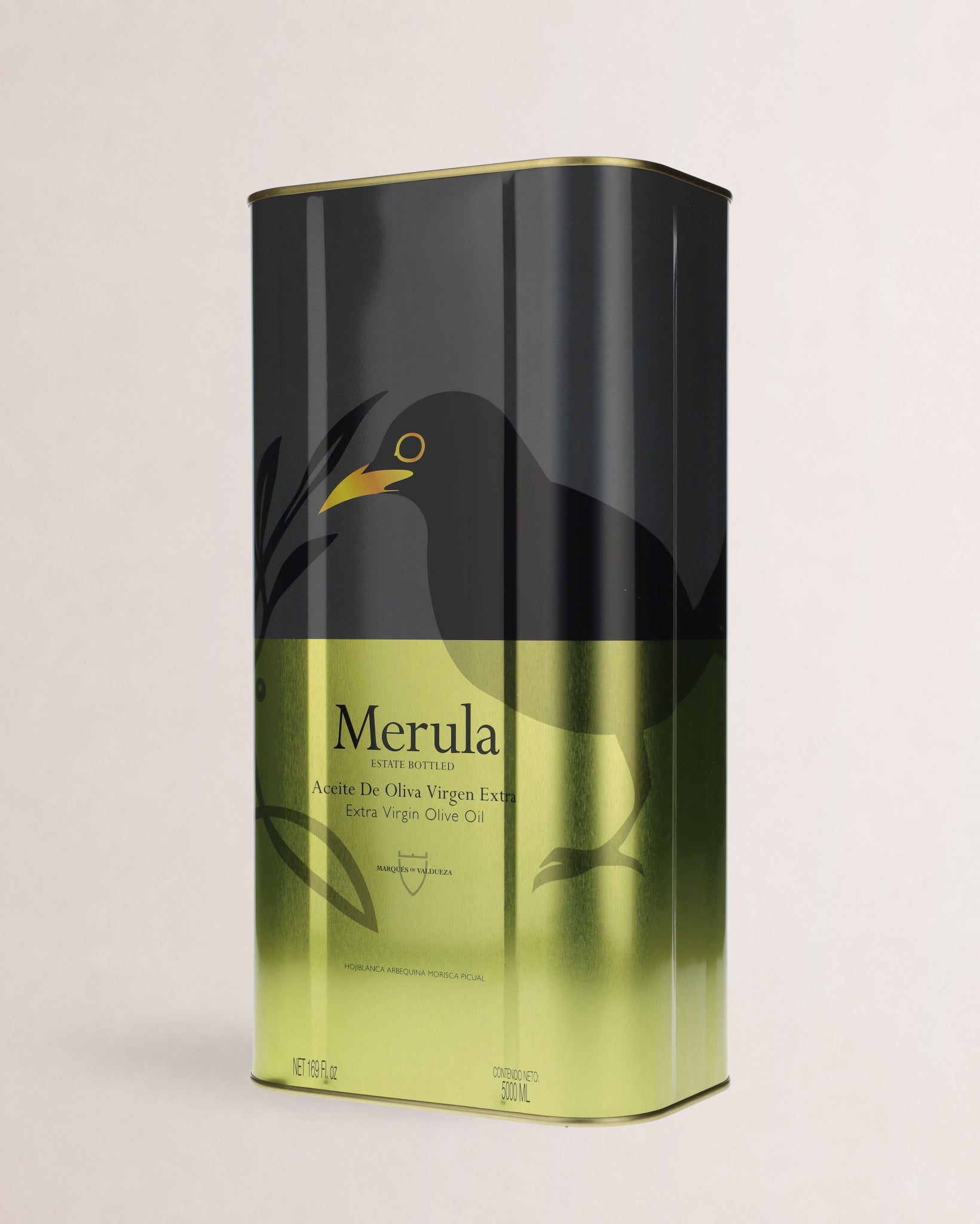
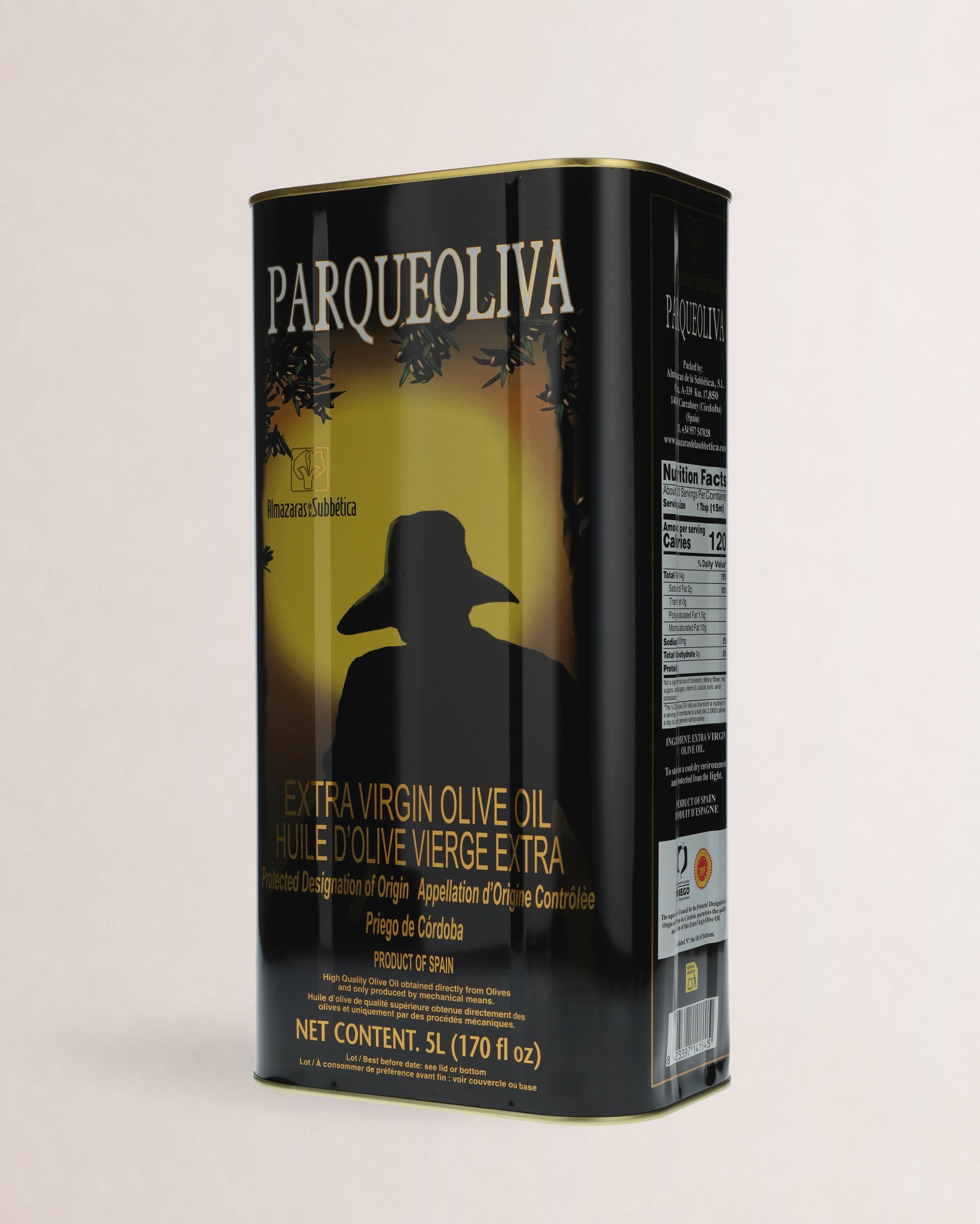
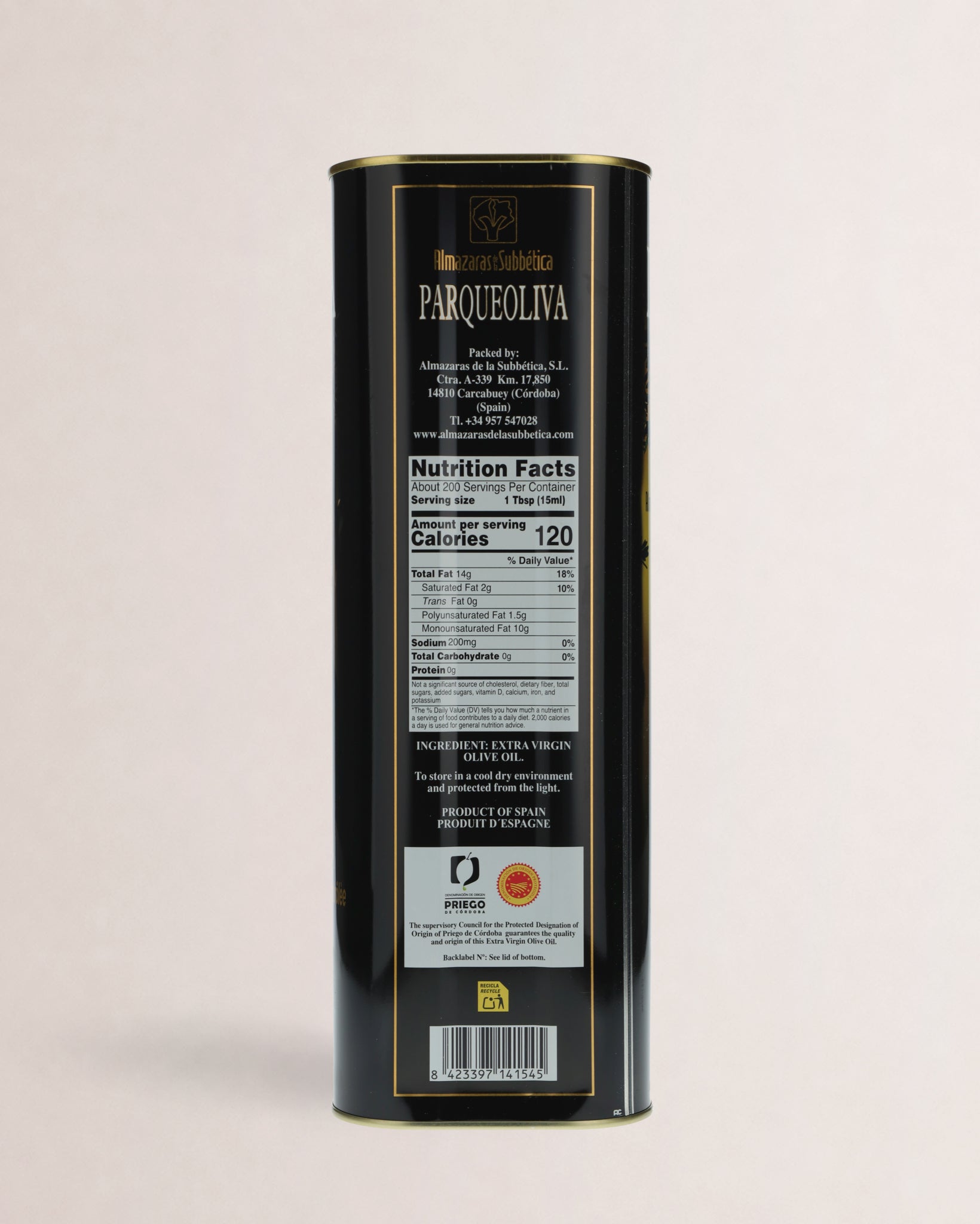


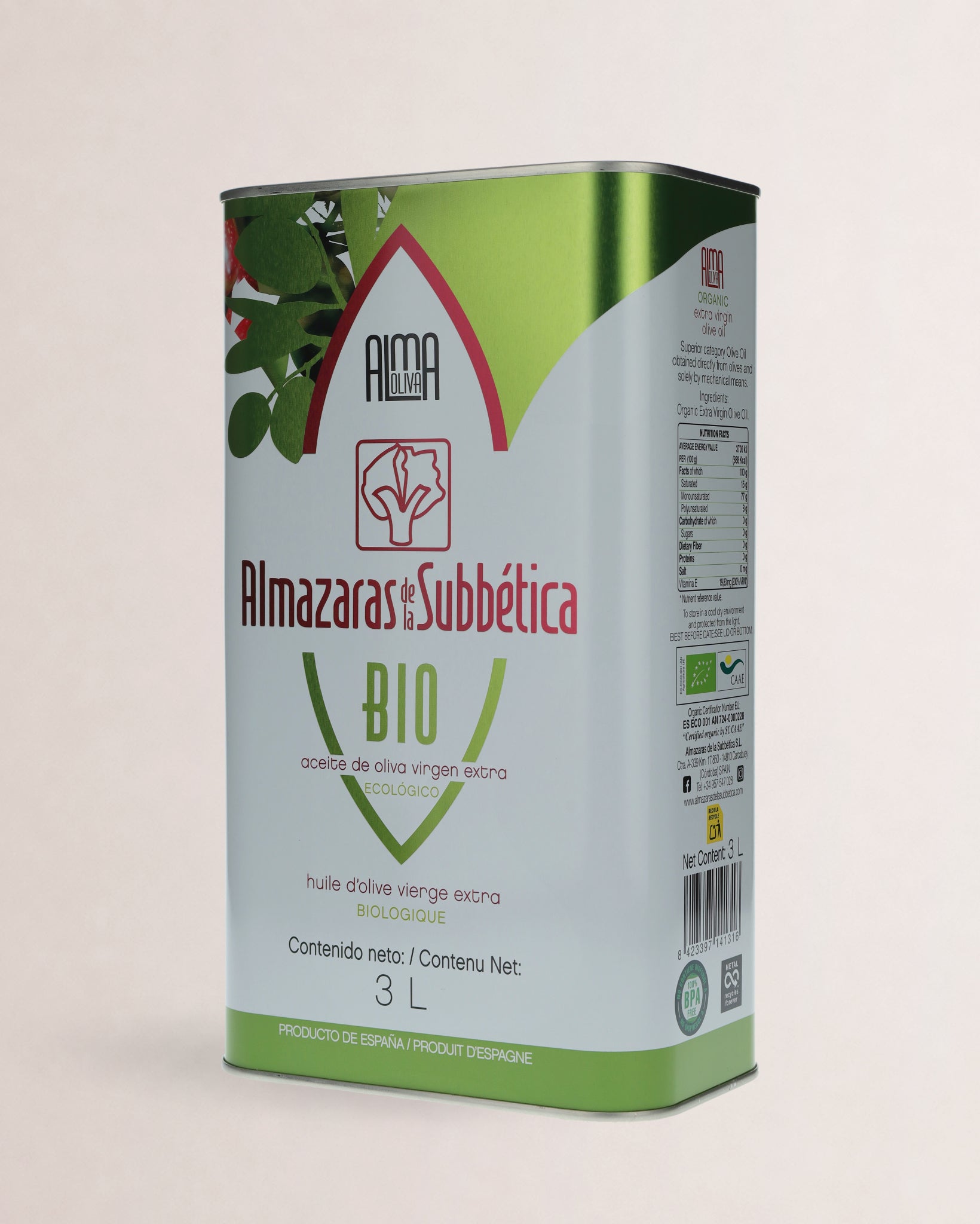
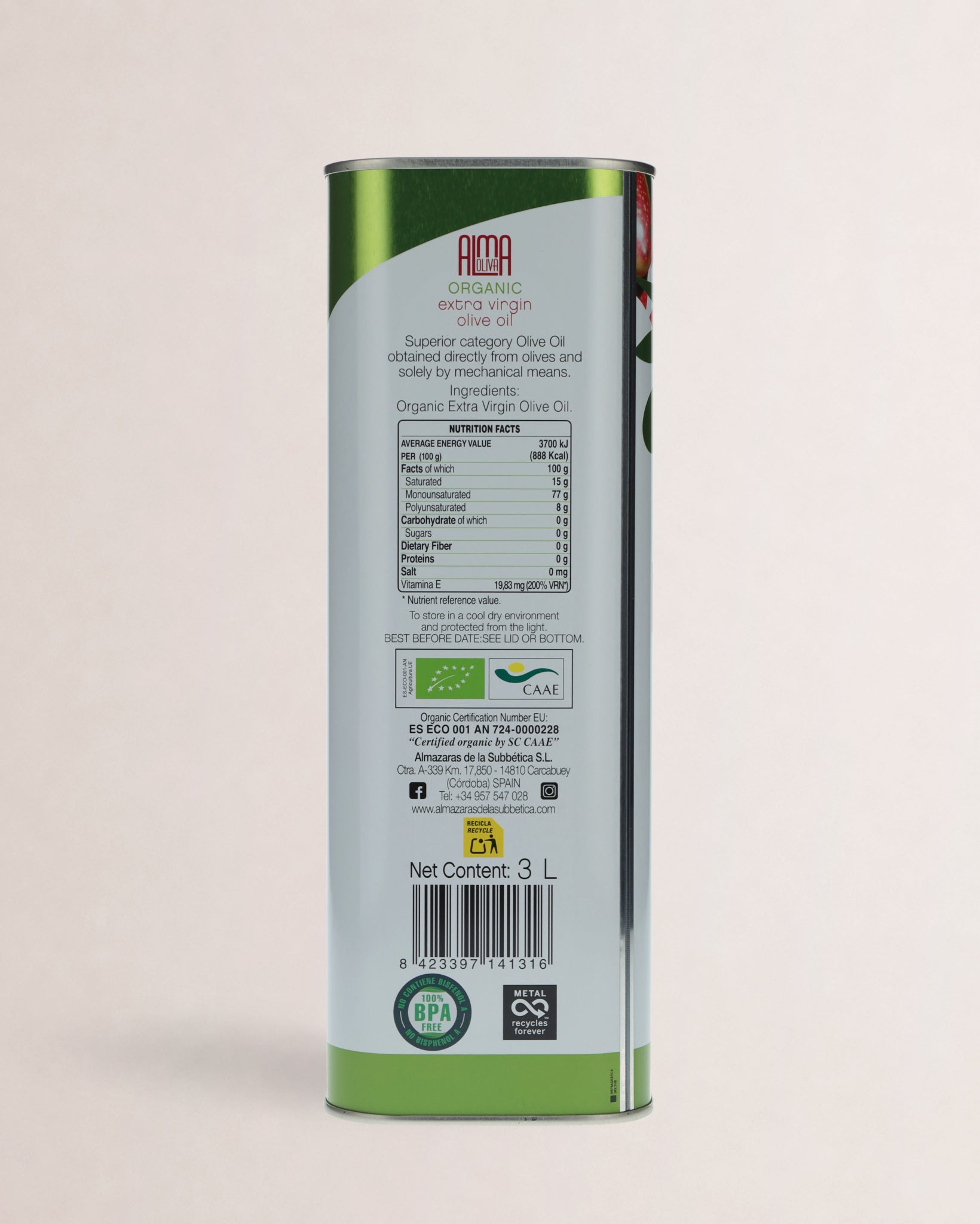
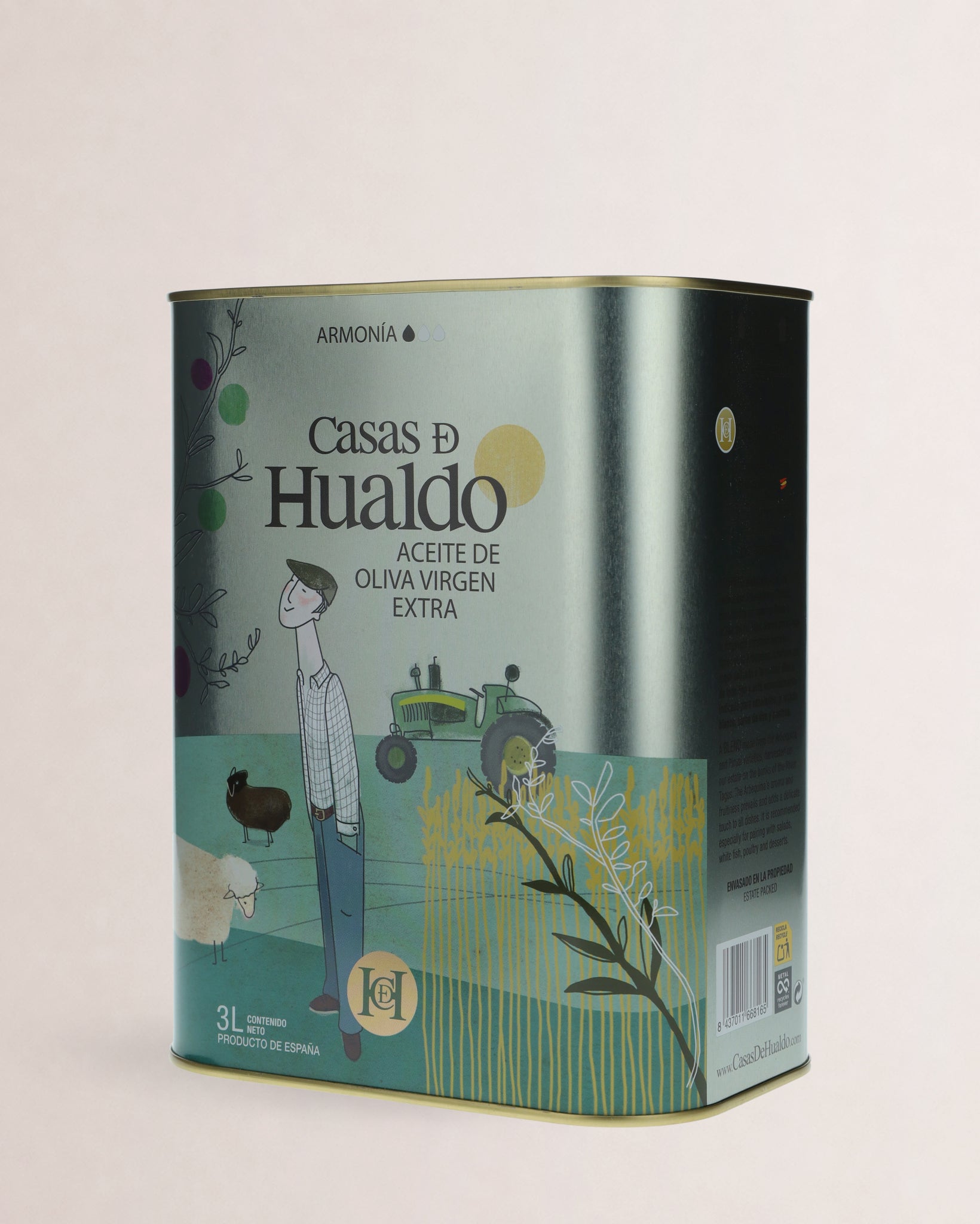
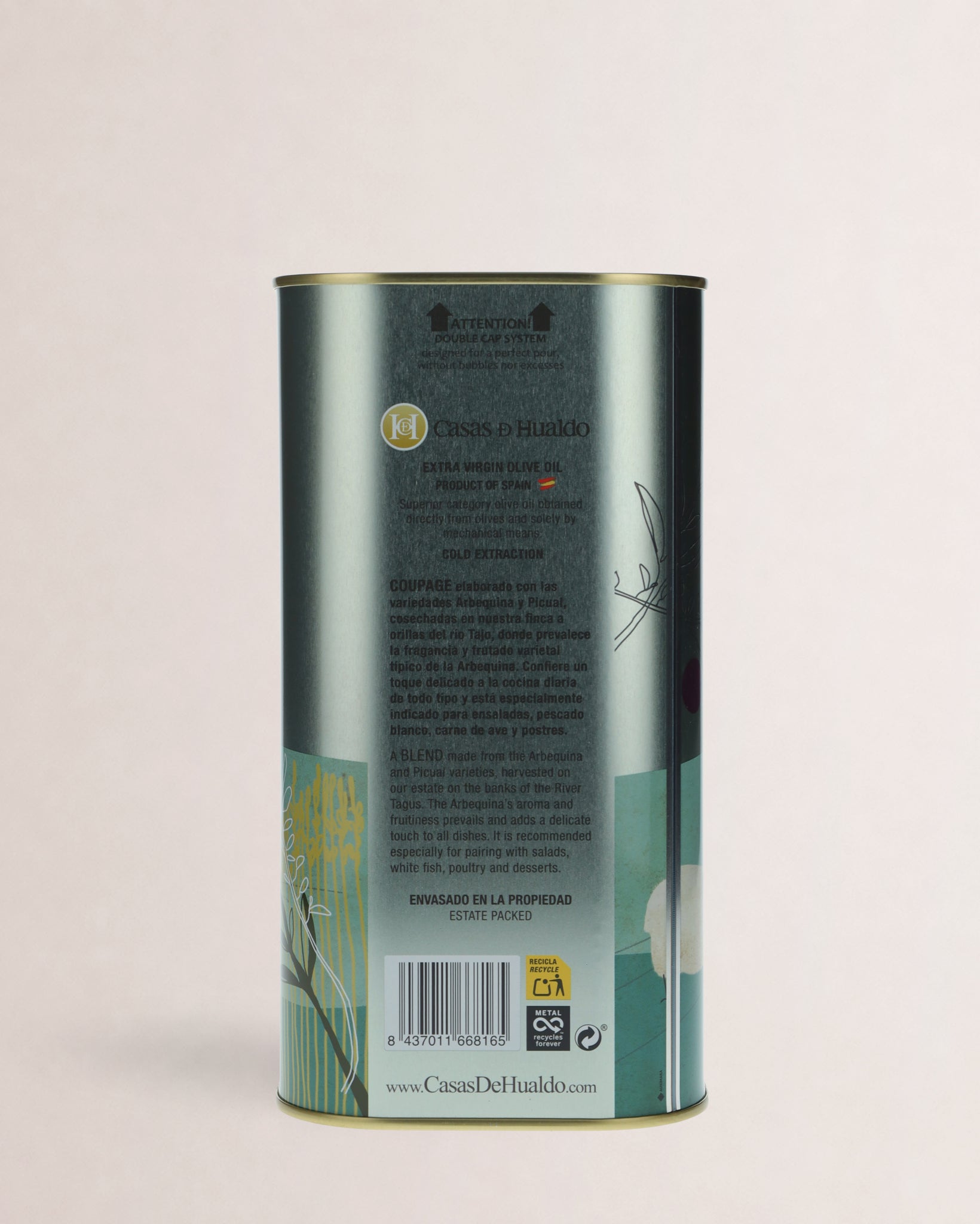
Coupage extra virgin olive oil
Coupage extra virgin olive oil combines oils from different olive varieties to achieve a distinctive flavor profile. The choice of varieties and their proportions brings together complementary aromas and sensations: the character of a more intense oil, the smoothness of another, or the vegetal and fruity nuances of different olives. Discover our selection of Spanish coupage oils and find a combination to enjoy on its own or to complement your recipes.
What is coupage olive oil?
A coupage is an oil made from two or more olive varieties. Unlike monovarietal oil, which allows you to experience the expression of a single variety, coupage aims for a combined result with a personality defined by the producer's selection.
There is no single recipe. A combination of Arbequina and Picual, for example, may offer a different profile from an oil combining Hojiblanca and Cornicabra. The chosen varieties are also influenced by their proportions, the time of harvest, and the characteristics of each crop.
Coupage and extra virgin describe different aspects of the oil: the former indicates the combination of varieties; the latter, its quality category. A coupage oil can be extra virgin when it meets the requirements of this category.
What does coupage olive oil taste like?
The flavor depends on the oils that make up the blend. There are smooth and fruity coupages, with a mild bitterness, and more intense ones, with green notes and a lingering spiciness. That is why the word coupage does not necessarily mean that the oil is smooth.
The combination may bring together notes of grass, olive leaf, tomato, almond, or fruit, depending on the varieties and production method. In a good coupage, the different nuances blend together to create an oil with a recognizable identity.
If you prefer delicate flavors, look for descriptions that highlight a ripe fruitiness or mild intensity. If you enjoy oils with character, pay attention to the green profiles and the bitterness and spiciness ratings of each product.
How to use coupage olive oil in cooking
The diversity of profiles allows you to choose a coupage EVOO for every use:
- Toast and breakfast: a medium-intensity coupage complements bread on its own, with tomato, or with cheese.
- Salads and dressings: the smoothest combinations respect delicate ingredients, while the more intense ones add presence to tomatoes, escarole, or arugula.
- Vegetables and soups: a drizzle added raw when serving adds aroma and allows you to appreciate the oil's nuances.
- Meats, legumes, and stews: the most characterful profiles pair well with recipes that have pronounced flavors.
- Fish and pastries: a smooth coupage can be a good choice when you want the oil to blend in without overpowering the dish.
Buying Spanish coupage oil: find your combination
To buy coupage extra virgin olive oil, start by checking the varieties and tasting notes of each product. Two coupage oils can be very different, even if they share one of their olive varieties.
Also think about how you will consume it. To enjoy it on its own, you can choose a combination that allows you to discover new aromas. For everyday cooking, look for a profile that suits your recipes and a format appropriate for your consumption.
Explore our selection of Spanish coupage oils, compare their characteristics, and discover how the combination of varieties can bring new nuances to your table.